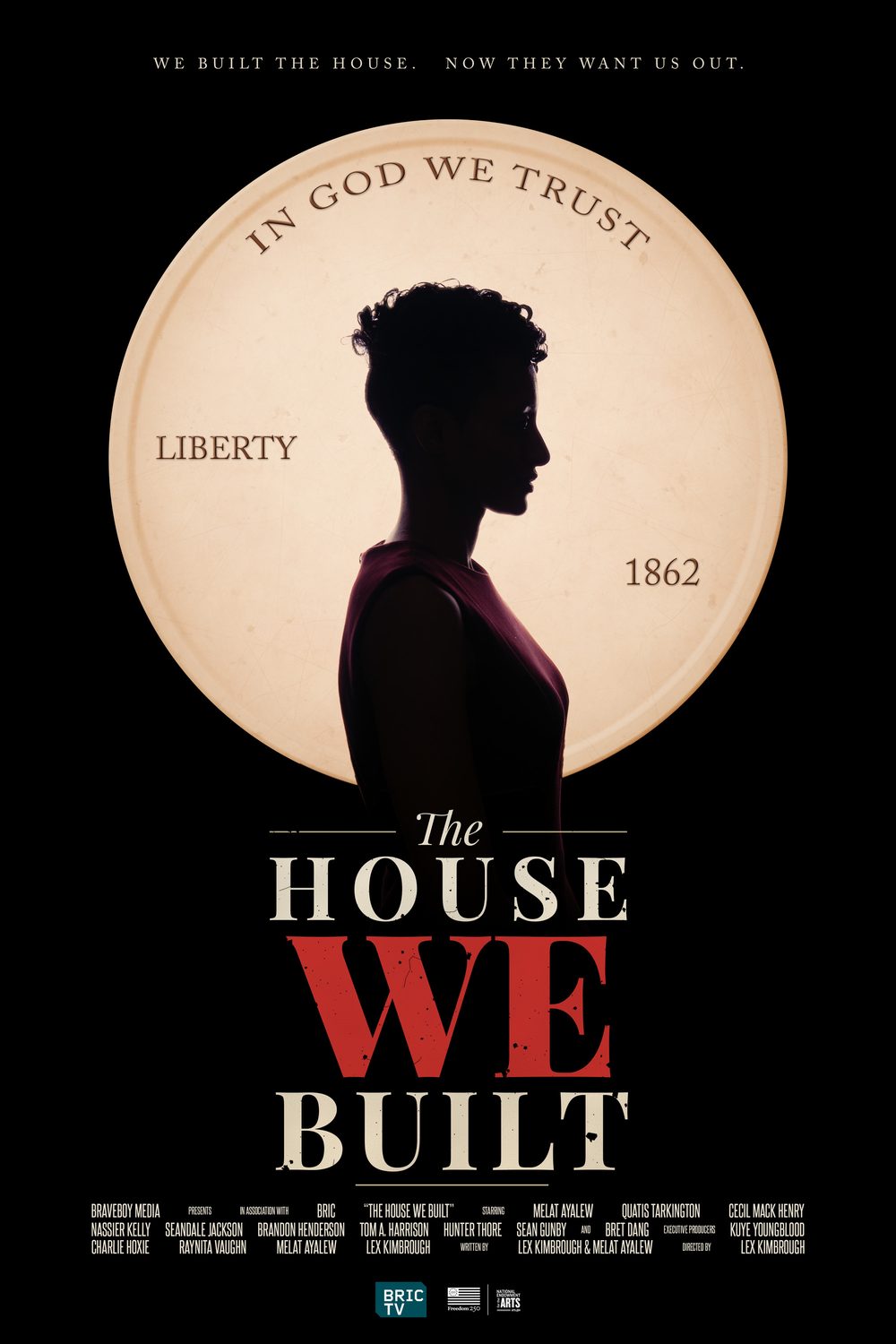
The House We Built. A woman's silhouette in profile on a giant penny stamped Liberty, 1862, beside the film's title.

A short film · First look at BRIC, Brooklyn · November 11, 2026

First look screening

See it first in Brooklyn.

Wednesday, November 11, 2026 Doors at 6:30 PM BRIC House · 647 Fulton Street · Brooklyn

An 8-minute first look at The House We Built, presented by BRIC. We'll be there, and we'd love to see you.

RSVP to hold your spot. We'll send a confirmation and a reminder the day before.

RSVP

We use your email for this screening, and for updates only if you tick the box. We don't share or sell it.

The film

We built the house. Now they want us out.

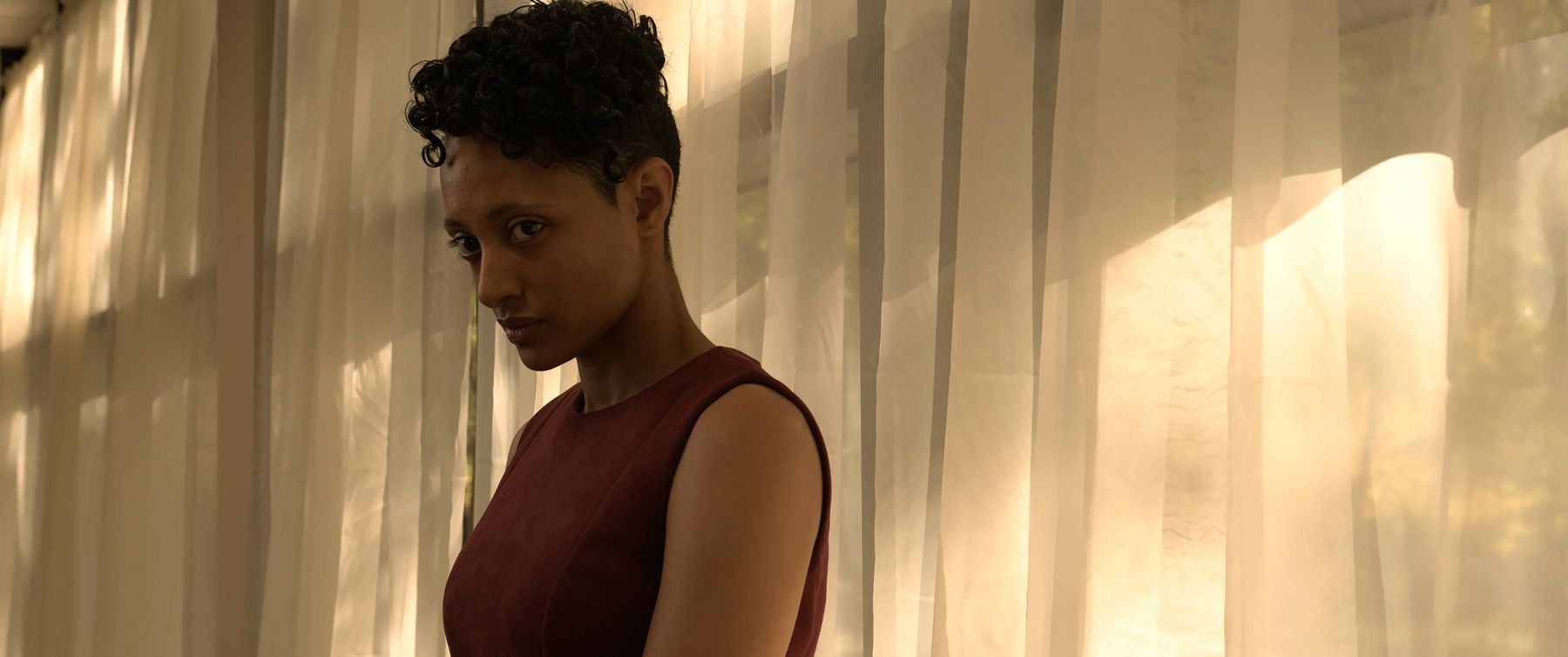
Five Black businessmen get three hours to accept an offer to leave the country they helped build. The only person in the room who knows what the deal is worth is the woman pouring their coffee.

Niecy keeps the coffee coming on the executive floor. Down in the bullpen, Wiley the mail boy has heard a rumor that the men upstairs plan to send people out of the country, and he doesn't want to go.

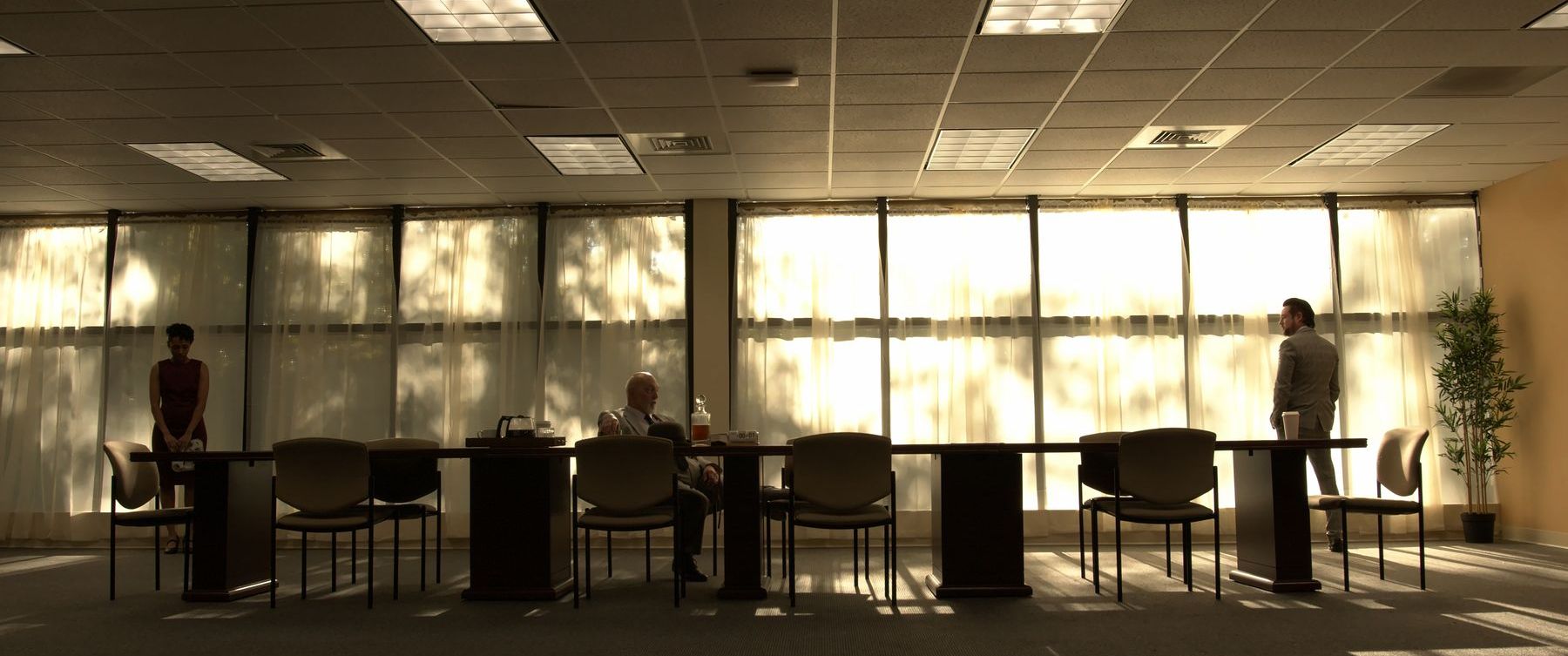
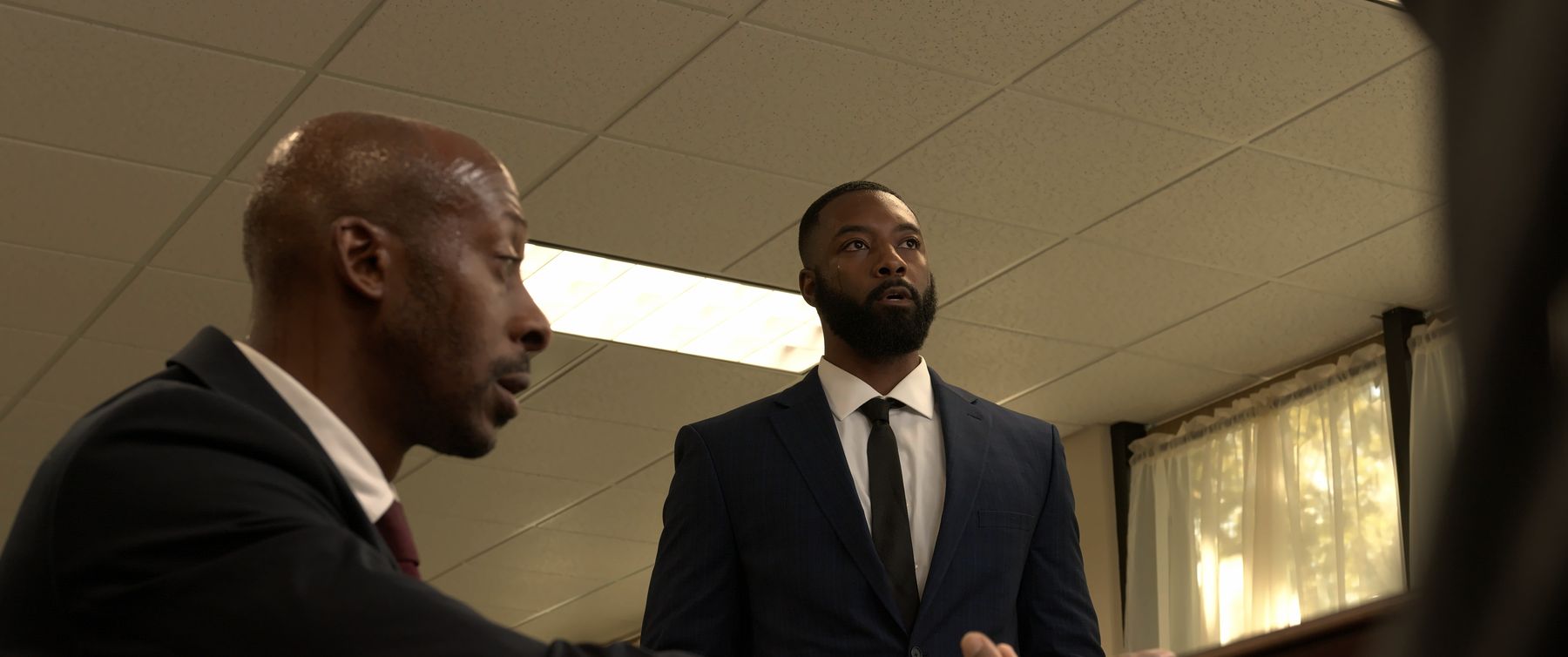
Upstairs, executives Smith and Pomeroy pitch five of the most prosperous Black men in the city on a colony in Chiriquí: coal, land, self-government and the full protection of the United States. Smith sets a clock on the table. Three hours.

The delegates argue. The deal starts to sound reasonable. Then Niecy, who isn't supposed to speak, starts asking questions. What if there's no coal? What if the Navy isn't coming?

Shot in a modern office with every line written in the language of 1862, The House We Built is a dark comedy about the most respectable eviction notice in American history, and about who gets to answer it.
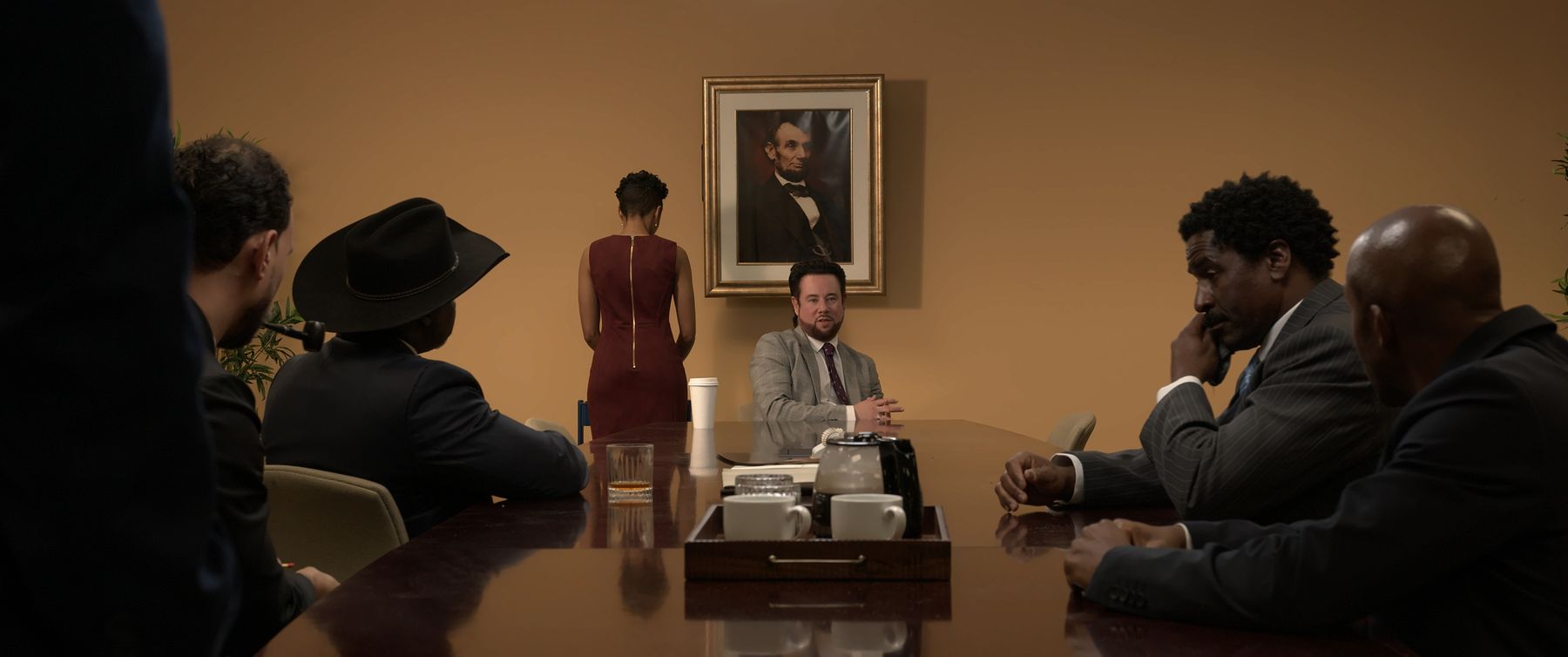
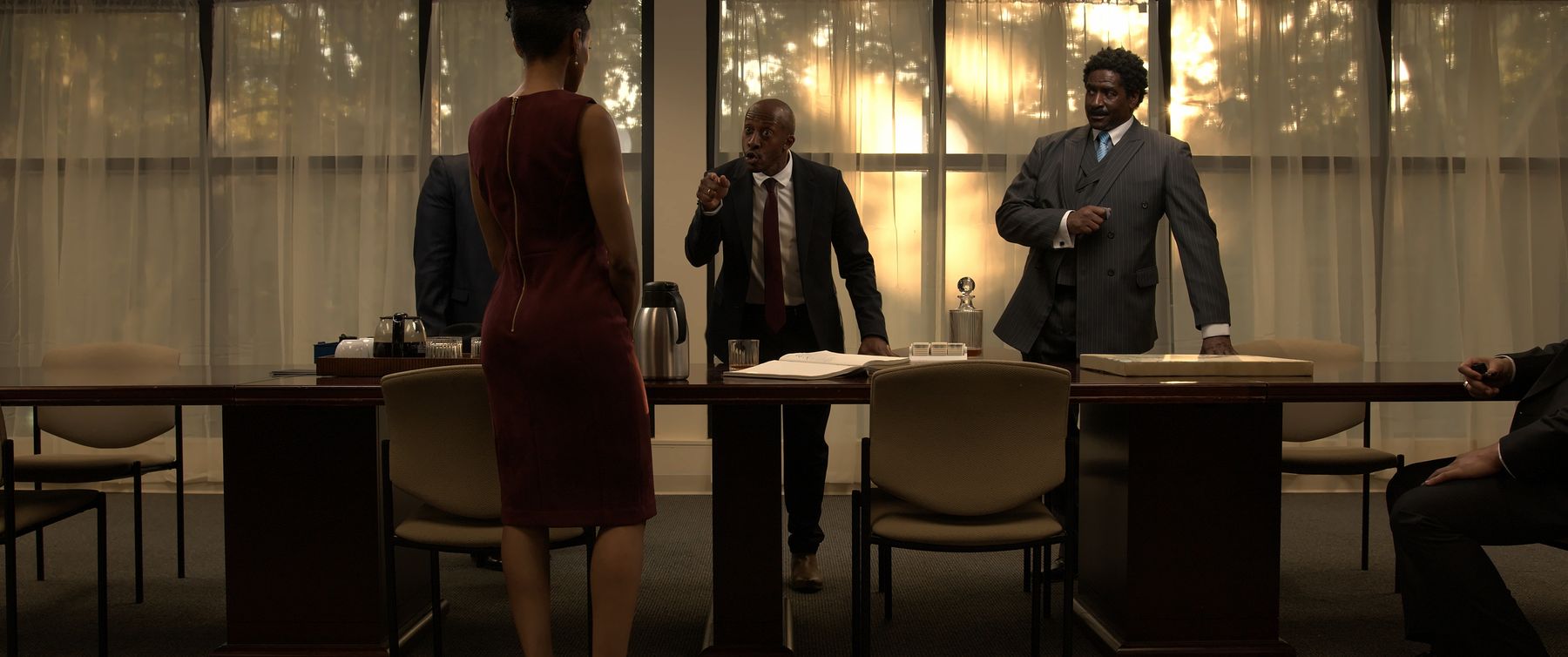
Niecy stands by the conference table beneath a portrait of Lincoln while an executive in a gray suit faces the delegates.
The offer

The history

August 14, 1862

The meeting most of us never learned about.

President Lincoln met with five free Black men from Washington, D.C. at the White House. It was the first time a sitting president received a Black delegation on a matter of public policy, and he used the meeting to ask them to leave.

“It is better for us both, therefore, to be separated.”Abraham Lincoln, August 14, 1862

He pitched a colony in Chiriquí, in present-day Panama, built on coal. Senator Samuel Pomeroy was put in charge of recruiting settlers. A few weeks later, Frederick Douglass tore into the speech in Douglass' Monthly. The plan fell apart that fall.

The film takes its liberties. Niecy is invented, the three-hour clock is invented, and Lincoln never appears. The real Lincoln told the men to take their time. But the question it asks is real. Who gets told to leave the house they built?

Sources: Abraham Lincoln, “Address on Colonization to a Deputation of Colored Men,” August 14, 1862 (The American Presidency Project). Frederick Douglass, Douglass' Monthly, September 1862. Kate Masur, “The African American Delegation to Abraham Lincoln: A Reappraisal,” Civil War History.

The delegation

  • Edward M. ThomasChair. Messenger in the U.S. House of Representatives, known for his art, coin and book collections
  • John F. Cook Jr.Schoolteacher. Studied at Oberlin, then took over the school his late father founded
  • John T. CostinBarber and preacher. A past Grand Master of the city's Black Freemasons
  • Cornelius ClarkMember of the Social, Civil and Statistical Association, a group of Black Washingtonians opposed to colonization
  • Benjamin McCoyTeacher. Ran his own private school and helped found Asbury Methodist Church

Chosen that same day at a meeting of the city's Black churches at Union Bethel. Thomas and Cook had both backed resolutions there opposing the colonization plan.

Director's statement

“I couldn't stop laughing at how polite it all was.”

The August 1862 meeting isn't part of the Lincoln story most of us grew up with. Five Black men walk into the White House, and the President uses the time to explain why they should leave. Then he tells them to take their time.

I couldn't stop laughing at how polite it all was. Then I couldn't stop thinking about it.

Melat and I wanted to write the room the way it probably felt: men in good suits, a generous offer, and a quiet assumption that the people being asked to go would say thank you. We moved it into a modern office because that room still exists. The language stays in 1862. Nobody in the film winks at the audience, and they don't have to.

Niecy is the one person we made up. She pours the coffee, hears everything and isn't supposed to talk. In history, people like her are usually in the background. I wanted the camera to treat her like she was the smartest person in the building, because she probably was.

This is a comedy because the meeting was absurd. It's dark because the absurdity had a body count. If people walk out laughing and then get quiet in the car, we did our job.

Lex Kimbrough

Cast & crew

Starring

  • Melat AyalewNiecy Walker
  • Quatis TarkingtonEdward M. Thomas
  • Cecil Mack HenryCornelius Clark
  • Nassier KellyJohn F. Cook Jr.
  • Seandale JacksonBenjamin McCoy
  • Brandon HendersonJohn T. Costin
  • Tom A. HarrisonSenator Samuel Pomeroy
  • Hunter ThoreCaleb Smith
  • Sean GunbyWiley
  • Bret DangThe News Anchor
Written by
Lex Kimbrough & Melat Ayalew
Directed by
Lex Kimbrough
Executive producers
Kuye Youngblood, Charlie Hoxie, Raynita Vaughn, Melat Ayalew, Lex Kimbrough
Director of photography
Lex Kimbrough
Production manager
Terrance Klein
Sound
James M. Holmes, Sam Hall
Production assistant
Zach Ofsanik
Poster & design
Duvy Studio
Production company
Braveboy Media
Special thanks
Hector Gonzalez
The House We Built poster: a woman's silhouette on a giant 1862 penny above the title.

Press

Press kit & assets

Logline, synopsis, the history behind the film, the director's statement, bios and full credits.

For interviews, high-resolution stills or a screener, email lex@braveboy.media

Updates

Can't make it to Brooklyn?

We'll email you when the trailer is out or the film screens somewhere near you. A few times a year at most.